Compare
JackHamr vs Lovable
Lovable is one of the quickest ways to turn an idea into a polished web app, no technical knowledge needed. JackHamr is built for what comes after: a team of agents that work on your codebase and beyond it, each with its own machine, a staged process with approval gates, and any model you like. Here is an honest look at where each one is stronger.
Updated October 1, 2026. Lovable details from Lovable's published pricing and documentation.
At a glance
What it is
JackHamr
An AI agent orchestration platform. A team of named agents runs the full delivery pipeline on machines the platform hosts.
Lovable
An AI app builder: chat to build websites and web apps, with hosting, database, auth, and storage included in Lovable Cloud.
Who it is for
JackHamr
Teams with real codebases and real jobs to hand off: engineering, research, marketing, and ops.
Lovable
Founders, designers, and product people who want a working web app with no technical knowledge needed.
Where the work runs
JackHamr
A persistent cloud machine per agent: up to 16 cores, 64 GB RAM, Docker. You can open its VS Code, terminal, or browser any time.
Lovable
Inside a Lovable project with a live preview. Drafts let you try changes in a separate copy of the project.
Your existing code
JackHamr
Works on your GitHub repos, with SSH key and token fallbacks when an org blocks OAuth apps, and opens pull requests.
Lovable
Projects start in Lovable and can two-way sync to GitHub, GitLab, or Bitbucket.
Many agents at once
JackHamr
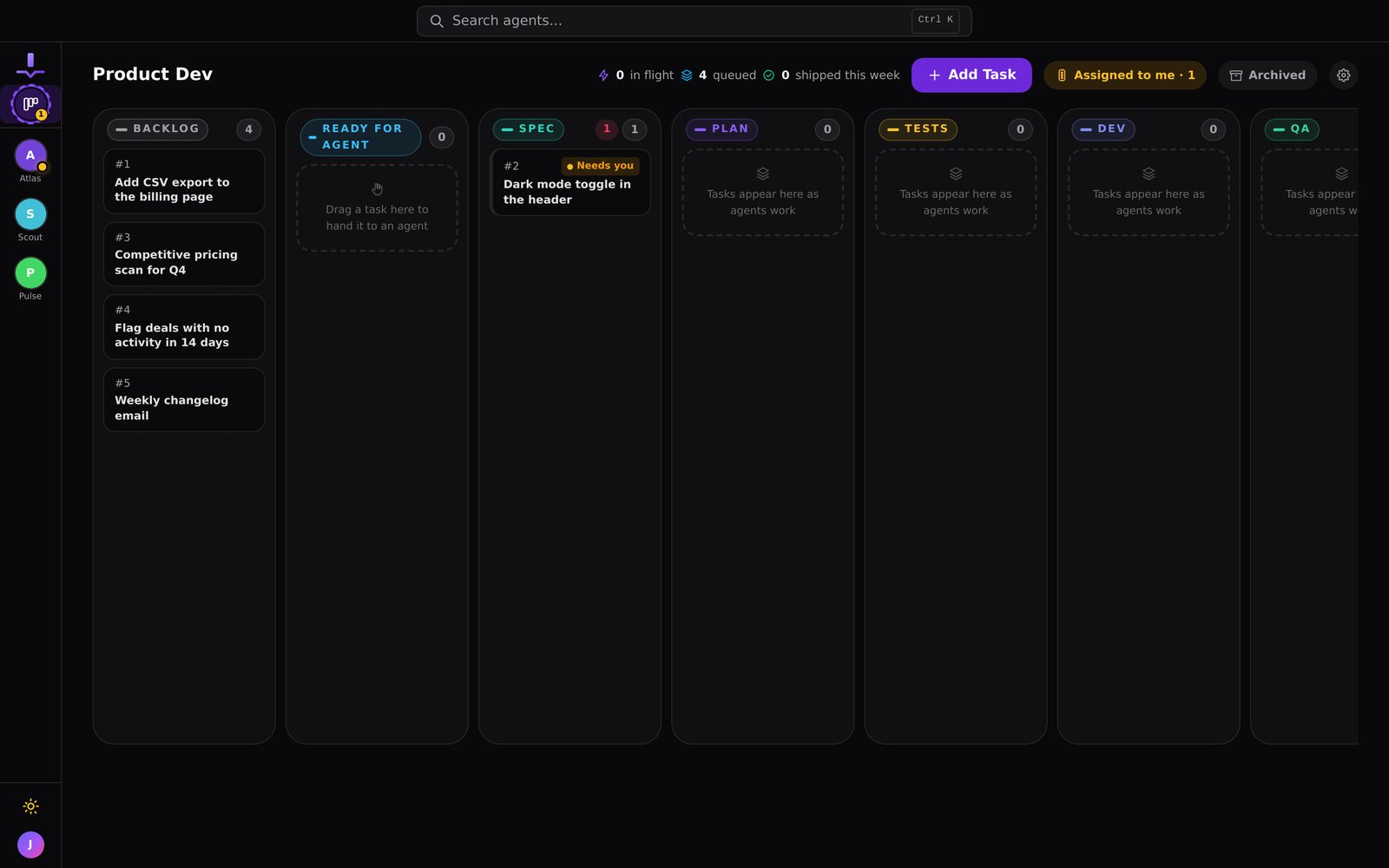
Boards fan tasks out to as many agents or clones as you like, in queue, clone, or distribute mode.
Lovable
One builder per project, which can split research and review into subagents.
Process and approvals
JackHamr
Workflows with stages (spec, plan, build, QA, code review, product review) and approval gates that queue decisions for you.
Lovable
Plan mode writes a plan you approve before code changes; Build mode implements and verifies.
Working on its own
JackHamr
Autonomous agents: give one a job and goals, it drafts a plan you sign off, then checks in on a schedule and asks before anything you flagged.
Lovable
Goals: a /goal message keeps working for up to 10 hours, pausing at your credit check-in level.
Models
JackHamr
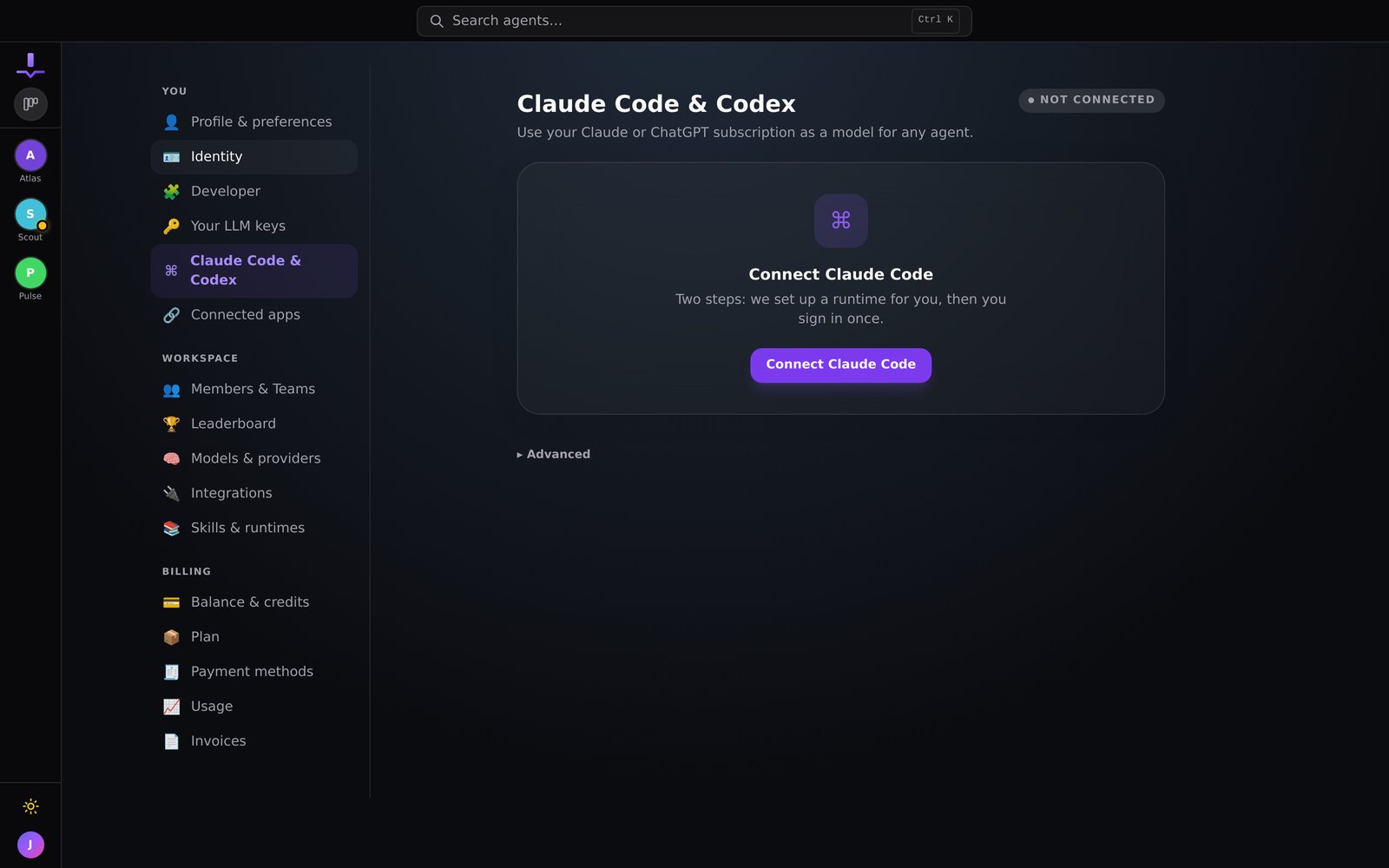
Any model: ours, your own OpenAI or Anthropic keys, or your Claude Code or Codex subscription as the brain.
Lovable
Lovable's own model setup, billed in Lovable credits.
Pricing model
JackHamr
Pay only while agents run: infrastructure at cost with an itemized bill, tokens at provider rates. Free to start, no seats.
Lovable
Credit plans with no seats: free with 5 daily credits, Pro from $25 a month for 100 credits, and credits that vary by task complexity.
Where JackHamr is stronger
Lovable is a builder for new web apps. JackHamr is a team for the work you already have: your repos, your process, and the jobs around the code.
- Your code, where it lives. Agents clone your GitHub repos, work on branches, and open pull requests your team reviews as usual, whatever the stack.
- Machines that stay. Each agent keeps its files, tools, databases, and running apps between tasks, and you can open its VS Code, terminal, or browser any time.
- A process, not just a prompt. Spec, plan, build, QA, and review run as separate agents, and approval gates queue the calls that need you.
- Any model. Use ours, bring OpenAI or Anthropic keys, or plug in your Claude Code or Codex subscription.
- More than apps. Agents that own a job in research, marketing, or ops, plan their own work, and ask before anything you flagged.
Where Lovable is stronger
Being fair about this matters, so here is when we would point you to Lovable on its own.
- You want a good-looking web app published today, and you do not want to write or review code.
- You want hosting, a database, auth, and storage set up for you in one place.
- Design matters most: Lovable offers design previews, design systems, and Figma import.
- Your code needs to live on GitLab or Bitbucket, which Lovable can sync to and JackHamr does not support today.
Or use both
They fit together well. Build the first version in Lovable and sync it to GitHub. Once it becomes a real product, hand the ongoing work to JackHamr: features that need a spec you approve, QA and code review on every change, and agents that keep the marketing and ops around it moving.
You can read how agents run the pipeline in The guided build workflow, and how parallel work is dispatched in Boards: a Kanban board your agents run.
Questions people ask
Is JackHamr a Lovable alternative?
For teams with an existing codebase, yes. Lovable is best at building and hosting new web apps from a prompt. JackHamr runs a team of agents on your own GitHub repos and beyond them, with persistent machines, staged approval workflows, boards for parallel work, and any model.
Can JackHamr keep working on an app I built in Lovable?
Yes. Sync the Lovable project to GitHub, connect that repo to JackHamr, and agents can work on it through pull requests like any other codebase.
Do I need to know how to code to use JackHamr?
Not to give agents work, approve plans, or review results. But JackHamr assumes a real repo and a team that ships through pull requests. If you have no code yet and want a hosted app, Lovable is the shorter path.
When is Lovable the better choice?
If you are starting from an idea rather than a codebase, want hosting and a backend handled for you, or care most about design and speed to a first version, Lovable fits better. It is not built around agents with their own machines, mixing models, or work beyond the app.
Built it in Lovable? Hire the team.
Free to start. Nothing to install. Running in two minutes.